Traveling to Vietnam has always been a popular choice for tourists seeking vibrant culture, beautiful landscapes, and delicious cuisine. As the world continues to evolve, so do the visa policies of countries, including Vietnam. A common question among travelers planning their trips to Vietnam in 2026 is: Is visa on arrival still available in Vietnam 2026? This article aims to provide a comprehensive answer to this query, addressing the current status of the visa on arrival process, how it works, and what travelers can expect when planning their visits in 2026.
Understanding Visa on Arrival in Vietnam

Visa on arrival is a convenient method for travelers to obtain their entry permits to Vietnam without having to visit an embassy or consulate before their trip. This process involves applying online for an approval letter, then presenting it upon arrival at Vietnamese airports to receive the visa stamp. It has become highly popular due to its simplicity and efficiency, especially for tourists and short-term visitors.
In light of recent global policy changes, travelers often wonder whether this method remains accessible and reliable for their planned trips. As of 2026, many are eager to know if the visa on arrival system continues to be an option for international visitors to Vietnam, or if new regulations may have replaced it.
What is Visa on Arrival?
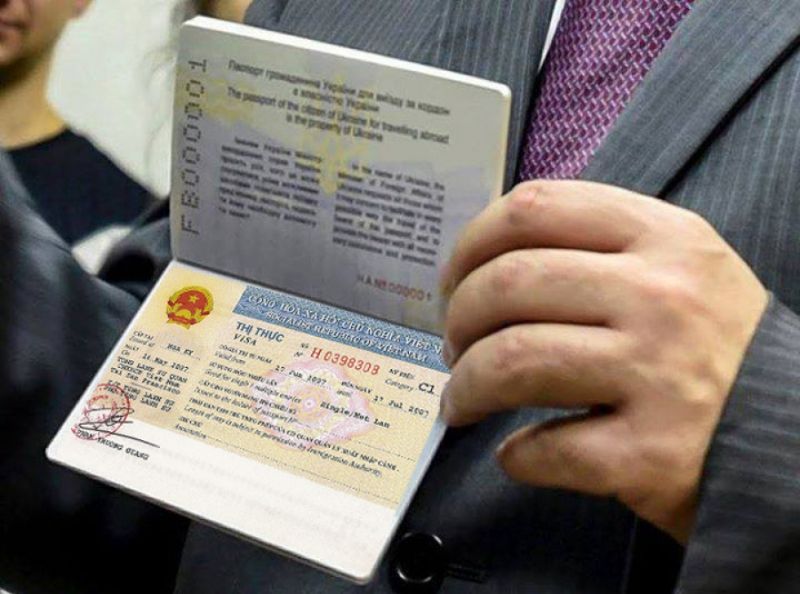
Visa on arrival in Vietnam is a document issued to travelers arriving at specific airports in Vietnam, allowing them to enter the country legally. This process requires applicants to fill out an online form, pay a fee, and obtain an approval letter issued by Vietnamese immigration authorities. Upon arriving in Vietnam, travelers present the approval letter, passport, photos, and pay the stamping fee to receive their visa directly at the airport.
Current Status of Visa on Arrival in 2026
As global travel policies evolve, each country adjusts its visa procedures to enhance security, promote tourism, or enforce new regulations. In 2026, visa on arrival remains available in Vietnam, primarily for tourists, business travelers, and short-term visitors applying through authorized agencies. The Vietnamese government continues to recognize the high demand for this convenient method, ensuring it remains an accessible and efficient option.
Importance of Staying Updated
Travelers planning trips in 2026 should always verify the latest information from official sources or trusted travel agencies. While the visa on arrival facility is expected to continue, changes in procedure, requirements, or eligible countries can occur. Responsible travelers check for updates to ensure compliance and avoid inconveniences upon arrival.
Benefits of Visa on Arrival in Vietnam 2026
In the realm of travel documentation, visa on arrival has earned a reputation for its ease and flexibility. For many, it remains the preferred choice when planning visits to Vietnam in 2026 due to several advantages.
Flexibility and Convenience
One of the foremost benefits of the visa on arrival system is its convenience. Applying online from anywhere in the world means travelers can secure their approval letter before departure, reducing waiting times and simplifying airport procedures. This method is especially advantageous for short-term visitors or those who prefer a straightforward process.
Time and Cost Efficiency
Compared to applying through Vietnamese embassies or consulates, which might require multiple visits or lengthy processing times, visa on arrival typically involves less hassle. It often allows for faster approvals at competitive prices, making it a cost-effective option for many tourists when considering overall travel expenses.
Wide Acceptance and Compatibility
Visa on arrival is accepted at several major international airports in Vietnam, such as Tan Son Nhat (Ho Chi Minh City), Noi Bai (Hanoi), and Da Nang International Airport. This wide acceptance facilitates smooth entry for travelers arriving through different modes and itineraries.
Considerations and Requirements in 2026
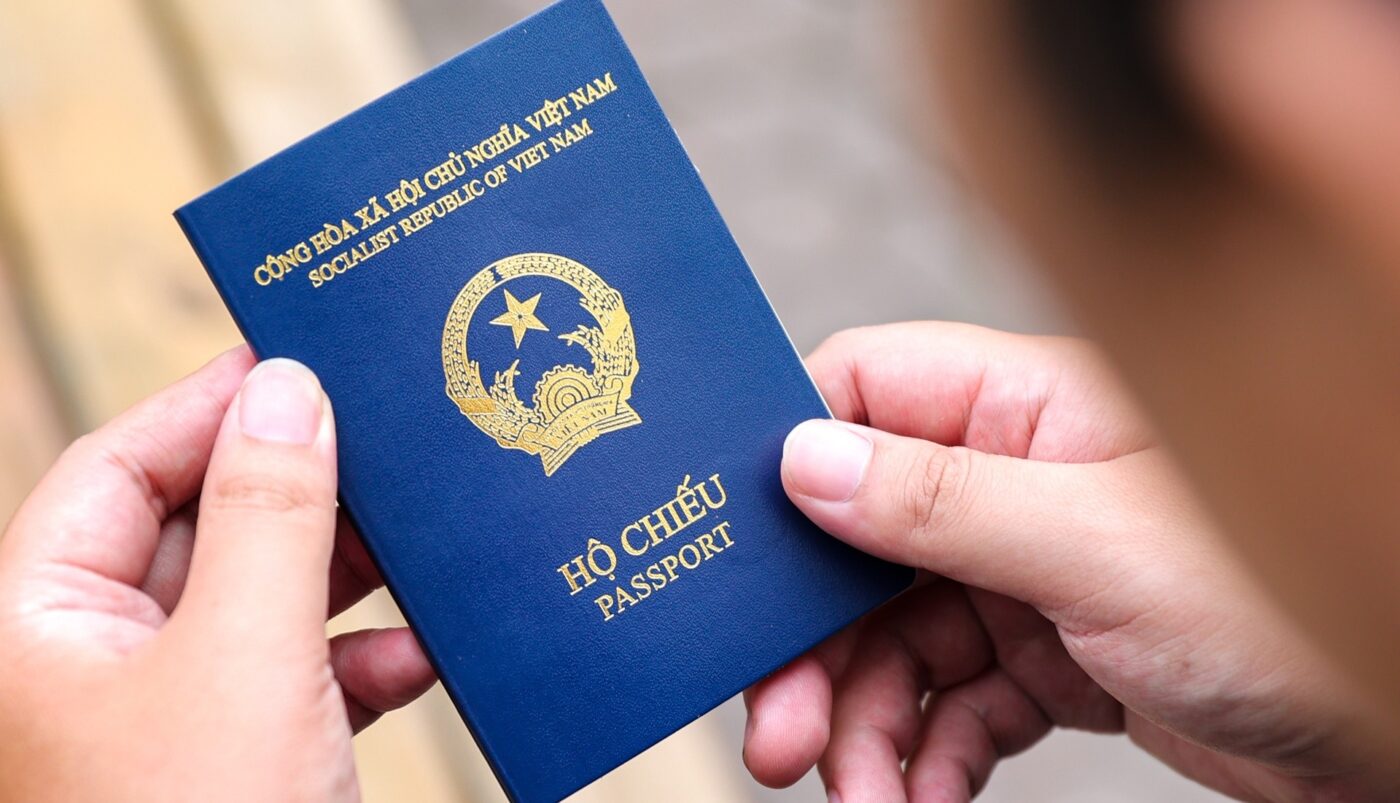
To qualify for visa on arrival in 2026, travelers generally need to meet certain criteria: possessing a valid passport, providing a recent passport-sized photo, and obtaining an approval letter through authorized agencies. While the process remains straightforward, travelers should ensure they use reputable services to avoid scams or delays. Some recent updates may include enhanced security checks or biometric data collection to comply with international standards.
How Does the Visa on Arrival Process Work in 2026?

Travelers who opt for visa on arrival in Vietnam will find the process to be simple if they follow these steps carefully. The system has been designed to maximize ease and reduce bureaucratic hurdles, keeping it relevant and accessible in 2026.
Step-by-Step Guide to Obtain Visa on Arrival in Vietnam 2026
- Identify Eligible Visa Type: Determine whether your nationality qualifies for visa on arrival and what category (tourist, business, etc.) applies.
- Choose a Reputable Visa Agency: Select an authorized visa service provider trusted by the Vietnamese government. Read reviews and verify credentials.
- Complete the Online Application: Fill in your details accurately on the agency’s website and pay the applicable fee. Upload required documents like passport scan and passport photo.
- Receive Approval Letter: After processing, you will receive an approval letter via email. Keep this document safe and print a copy to present upon arrival.
- Prepare Supporting Documents: Ensure your passport is valid for at least six months beyond your planned stay, and carry passport-sized photos if required.
- Arrive at Designated Airport: When arriving in Vietnam at eligible international airports, present your approval letter, passport, photos, and pay the stamping fee.
- Receive Your Visa Stamp: Once processed, your visa will be stamped into your passport, and you can proceed with your travels.
Troubleshooting Common Issues
- Delayed Approval: Processing times can vary; book your approval early, especially during peak travel seasons.
- Incorrect Details on Approval Letter: Double-check all entered information before submission to avoid delays.
- Passport Validity Problems: Ensure your passport meets the minimum validity period requirements to prevent entry issues.
- Use of Reputable Agencies: Avoid unverified service providers to minimize risks of scams or incorrect documents.
Safety and Security Precautions
Whenever applying for visa on arrival, travelers should be cautious about sharing personal information and payments. Using authorized agencies and official government platforms helps safeguard your data. Always keep copies of your approval letter, receipts, and travel documents throughout your journey.
Comparison of Visa Options for Vietnam in 2026
While visa on arrival remains a popular process, there are alternative methods for obtaining a Vietnamese visa. Below is a comparison guide to help travelers choose the best option based on their needs:
| Method | Application Process | Processing Time | Cost | Convenience | Best suited for |
|---|---|---|---|---|---|
| Visa on Arrival | Online application + approval letter | 3-5 business days | Moderate, includes service fee | Highly convenient, especially for tourists | Short trips, first-time travelers |
| Embassy/Consulate Visa | In-person or postal application | 5-10 business days | Varies, sometimes higher | More official, suitable for long stays or business | Long-term stays, expatriates, business trips |
| E-Visa | Online application and e-document issuance | 3-4 days | Lower, single-entry visas | Quick for eligible nationalities | Short-term tourism and business trips |
| Visa Exemption | Based on bilateral agreements or visas-free | N/A | Free | Fastest entry for eligible nationalities | Citizens of visa exemption countries |
While visa on arrival offers a balanced blend of simplicity and flexibility for most tourists, travelers with specific needs (long-term stays, official business) may prefer applying through their local Vietnamese embassy or consulate.
Future Outlook: Visa Policies in 2026
Vietnam has continually evolved its visa policies to promote tourism while maintaining national security. As of 2026, the consistent use of electronic and on-arrival visa systems demonstrates the country’s efforts to streamline travel processes. It is expected that visa on arrival will remain a viable and accessible method for the foreseeable future, with ongoing improvements in application procedures, digital integration, and security measures.
Travelers are advised to stay informed via official government websites or trusted travel agencies to keep up with any policy updates. Given the increasing emphasis on digital mobility, online visa applications and approval systems are likely to become more advanced, further enhancing the convenience of visa on arrival for visitors in 2026 and beyond.
Conclusion
In summary, is visa on arrival still available in Vietnam 2026? The answer is yes. Despite evolving global travel regulations, the Vietnamese government continues to offer and support its visa on arrival system, recognizing its popularity among international tourists. This process remains simple, efficient, and accessible for short-term travelers who plan ahead. With the ability to apply online, get approval letters, and receive visas directly at key airports, travelers can confidently include Vietnam in their 2026 travel plans. However, it is essential to verify current policies close to your departure date and choose reputable agencies to facilitate a smooth entry. Overall, visa on arrival remains a convenient entry point into Vietnam in 2026 for many visitors seeking to explore its enchanting landscapes and rich culture.